

TL;DR
Wet timing belts run inside the engine oil to reduce friction and improve efficiency but need careful maintenance since oil quality directly affects their lifespan. Neglecting timely oil changes or using the wrong oil can cause serious engine damage, so regular servicing with OEM parts and proper oil is essential to avoid costly failures.
Wet Belt Servicing in Brede
Wet belts, or ‘belt-in-oil’ systems, are designed to improve efficiency and reduce friction — but neglecting oil quality or service intervals can cause serious damage. Regular maintenance keeps your engine running smoothly and prevents costly failures.
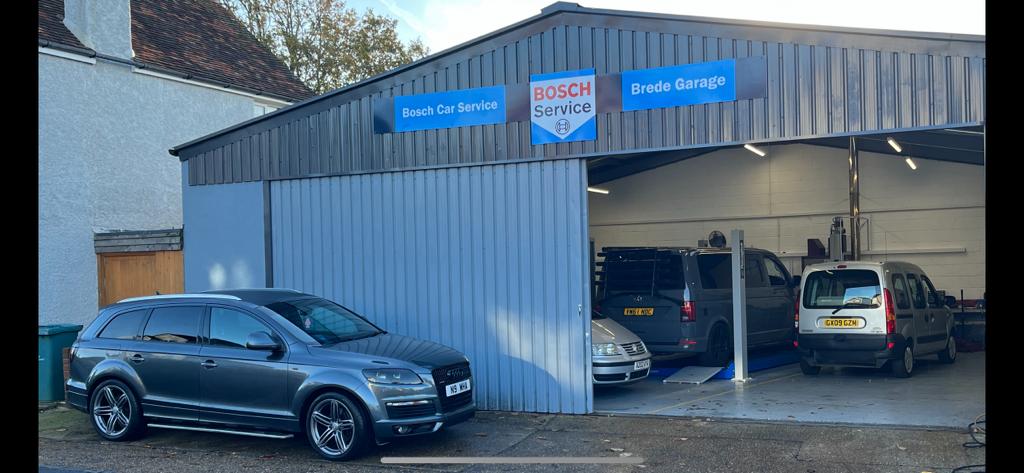
At Brede Garage, we specialise in servicing and replacing wet timing belts using Bosch-approved data and manufacturer-specified oils. Our technicians are trained to work on the latest belt-in-oil systems found in modern petrol and diesel engines, including Ford EcoBlue, PSA, and Vauxhall models.
We use only OEM-grade belts, tensioners, and filters, and always flush and refill the system with the correct oil grade to maintain protection and performance.
What Is a Wet Timing Belt?
A wet belt is a modern variant of the traditional rubber timing belt that runs inside the engine oil, helping reduce friction, noise, and emissions.
While this design improves efficiency, it also makes the belt more sensitive to oil quality — poor maintenance or using the wrong oil can cause the belt material to degrade, releasing particles that contaminate the engine and block vital oil passages.
When Should a Wet Belt Be Replaced?
Wet belts generally need replacing every 6–10 years or between 90,000 and 140,000 miles, depending on manufacturer guidance.
However, if the vehicle has missed oil changes or used non-approved oil, the belt’s lifespan can be drastically reduced.
We can check your specific make and model using Bosch’s latest database to confirm exact intervals and requirements.
Common Signs of Wet Belt Wear or Failure
Because wet belts operate internally, visible signs are rare — but these symptoms can indicate early deterioration:
- Tapping or rattling noise from the engine
- Low oil pressure warnings
- Metallic or rubber debris in the oil filter
- Poor performance or rough idling
- Oil contamination or thick sludge in the sump
If left unchecked, a failing wet belt can break apart and block oil flow — often resulting in catastrophic engine failure.
Wet Belt vs Dry Timing Belt vs Timing Chain
Each system has unique maintenance needs:
- Wet Belt – runs in oil, sensitive to oil quality, used in modern engines.
- Dry Belt – external rubber belt, changed at fixed mileage intervals.
- Timing Chain – metal, internal, lubricated, longer lifespan.
This page focuses on wet belt systems, while separate pages cover Timing Belts and Timing Chains for complete clarity.
Why Bosch Wet Belt Servicing Matters
Our wet belt service process includes:
- Full oil flush and system inspection
- Replacement of belt, tensioner, and pulleys (if required)
- Fitment of OEM or Bosch-approved parts
- Engine oil refill with correct low-ash grade (as per manufacturer spec)
- System reset and diagnostic check
Every service is carried out to Bosch standards, ensuring your engine remains efficient, protected, and compliant with emissions regulations.
Frequently Asked Questions
What is a wet timing belt?▼
A wet timing belt runs inside the engine oil instead of outside, reducing friction, noise, and emissions. This design makes it more sensitive to oil quality and maintenance.
How often should a wet belt be replaced?▼
Wet belts typically need replacement every 6–10 years or between 90,000 and 140,000 miles, depending on the manufacturer and maintenance history.
Why can wet belts fail prematurely?▼
Premature failure often results from missed oil changes, using incorrect or poor-quality oil, or sludge buildup that degrades the belt material.
What are common signs of a failing wet belt?▼
Signs include tapping or rattling engine noises, low oil pressure warnings, metallic or rubber debris in the oil filter, and poor engine performance or rough idling.
Do wet belts require special oil and servicing?▼
Yes, only manufacturer-approved low-ash oils should be used. Regular servicing involves flushing the oil, replacing the belt and related parts with OEM components, and using correct oil grades to maintain engine protection.
